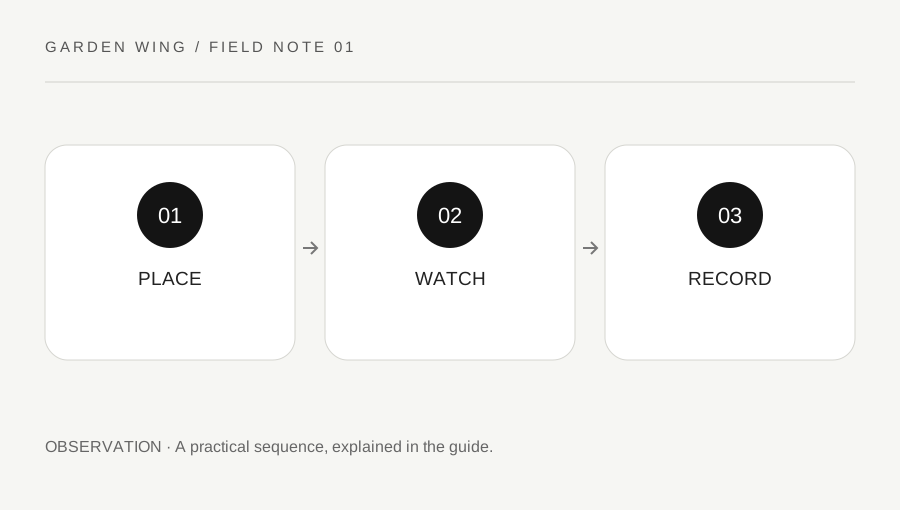
Your First Backyard Bird Session: Observe Before Naming
You do not need to identify every bird to begin. A repeatable ten-minute watch and a few precise notes create a better foundation than a long list of hurried guesses.
Read the complete guide ↗Practical backyard bird observation for the United States and United Kingdom: compare field marks, keep useful records and reduce disturbance.
Backyard bird candidate finder ↗Detailed explanations · Worked examples · Practical tools
An original illustration for GARDEN WING. Start with a guide or explore the practical tools below.
20 complete guides.
You do not need to identify every bird to begin. A repeatable ten-minute watch and a few precise notes create a better foundation than a long list of hurried guesses.
Read the complete guide ↗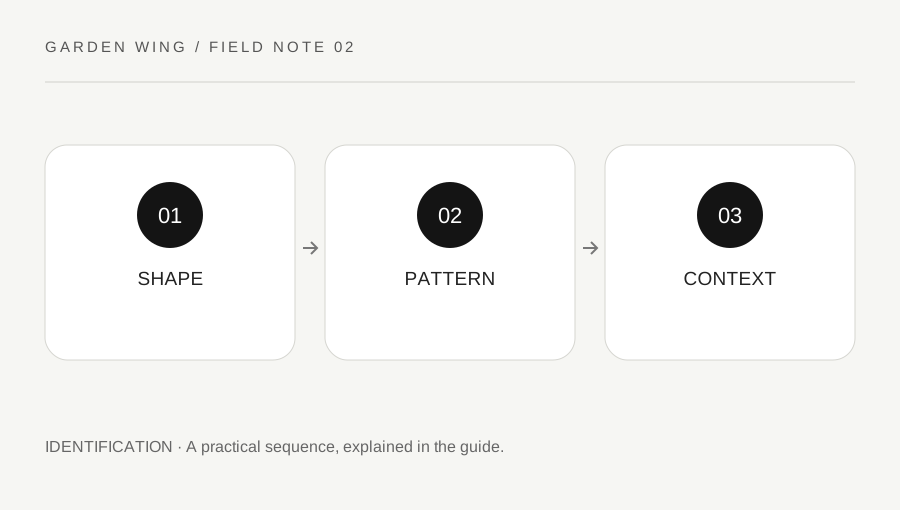
One bright patch rarely settles an identification. Compare a small set of visible features, then test the candidate against region, season and the limits of your view.
Read the complete guide ↗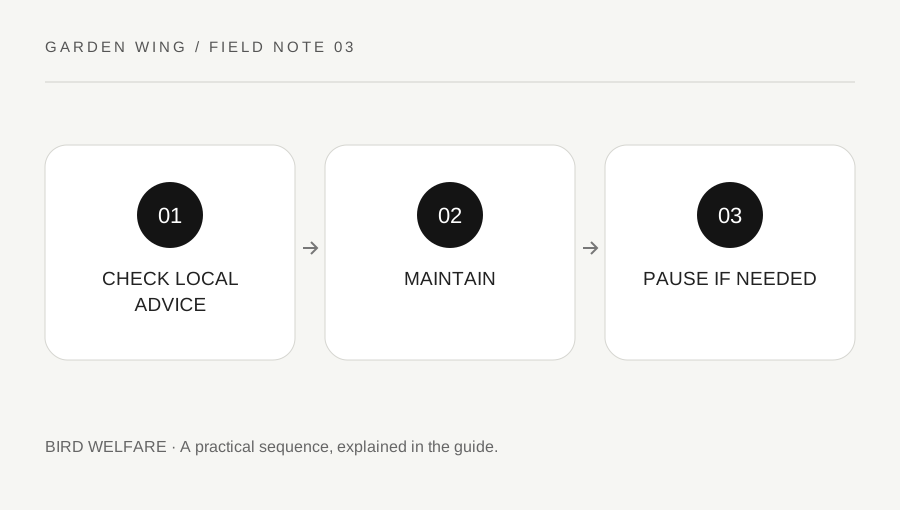
A feeder concentrates birds in one place. Before supplying food, check current regional guidance and decide whether you can keep the equipment and surrounding area clean, dry and manageable.
Read the complete guide ↗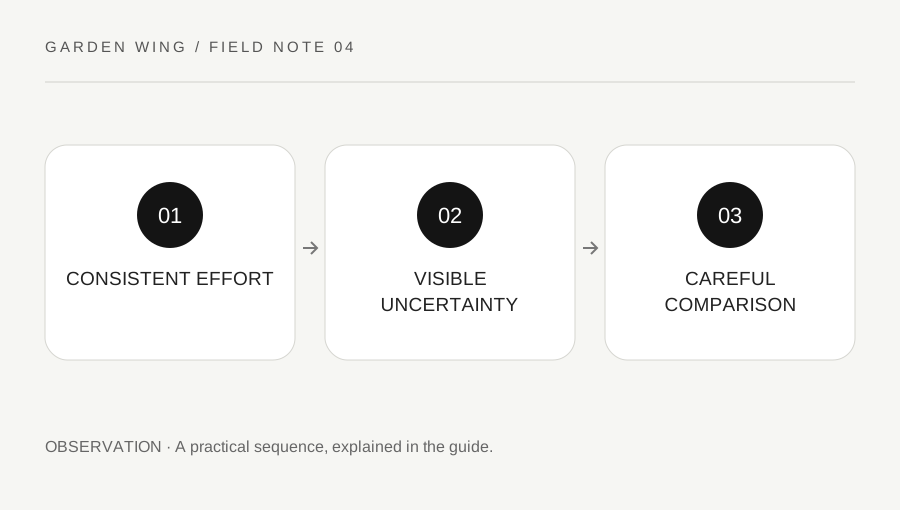
A notebook can reveal changes in your own garden view. Keep effort and uncertainty visible so that a quiet week, a new visitor and a missed observation do not become the same kind of evidence.
Read the complete guide ↗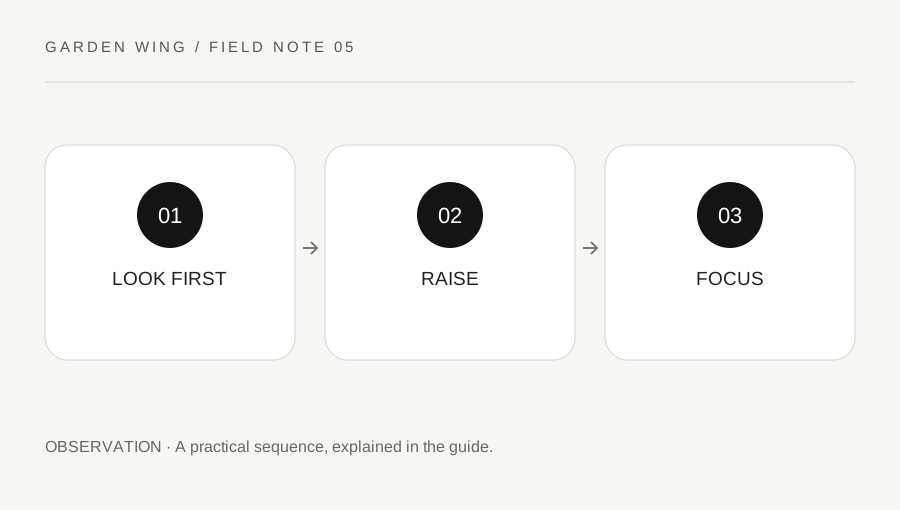
The first challenge is often getting the bird into view. Practice a repeatable finding and focusing sequence on a fixed object before using binoculars during a short bird encounter.
Read the complete guide ↗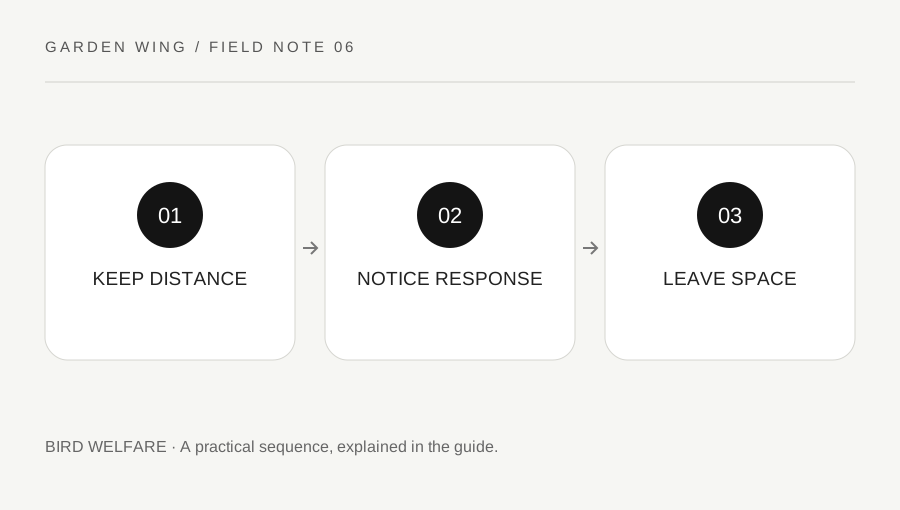
A useful bird encounter does not require getting closer. Make observation predictable, protect nesting and resting birds, and accept that some details should remain unrecorded or unshared.
Read the complete guide ↗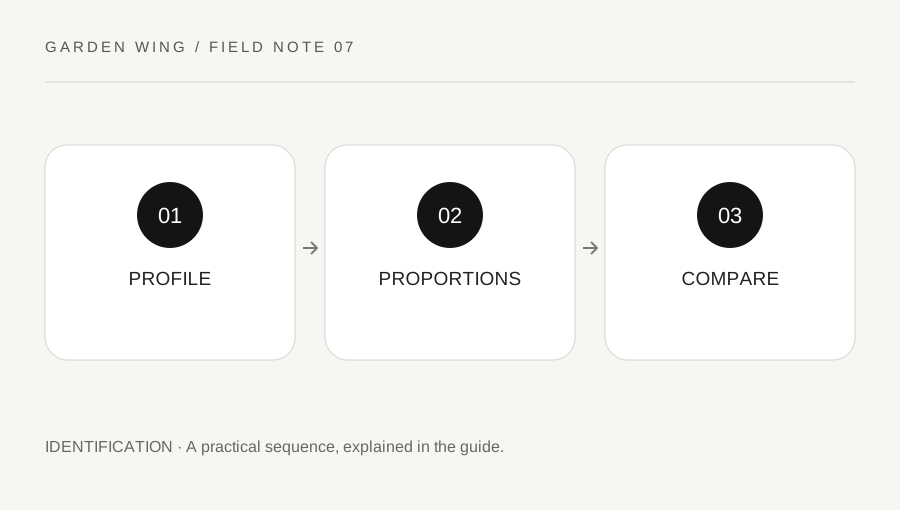
A bill is a useful structural clue, especially when colors are unclear. Describe its proportions and what you actually saw, then combine that clue with shape, pattern and region.
Read the complete guide ↗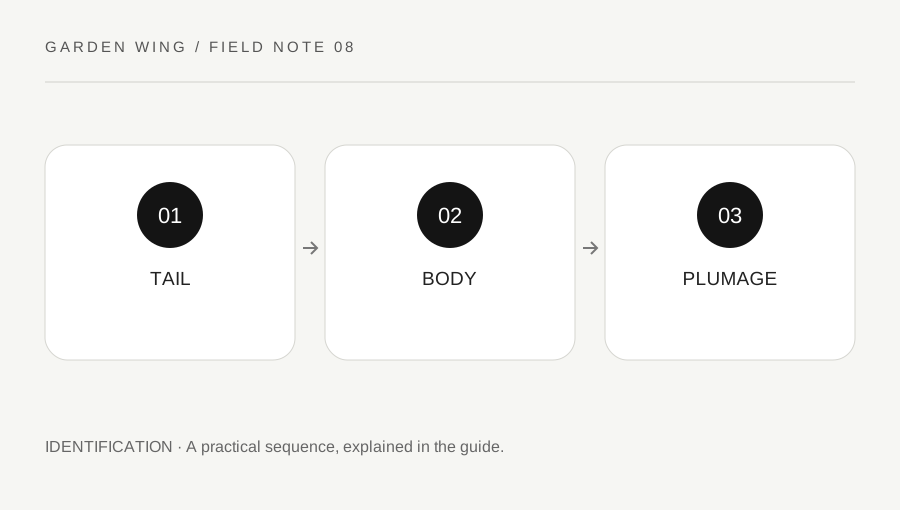
A dark bird on the lawn can suggest either species to a beginner. Compare tail, body proportions, bill and plumage stage rather than treating “black” as a complete identification.
Read the complete guide ↗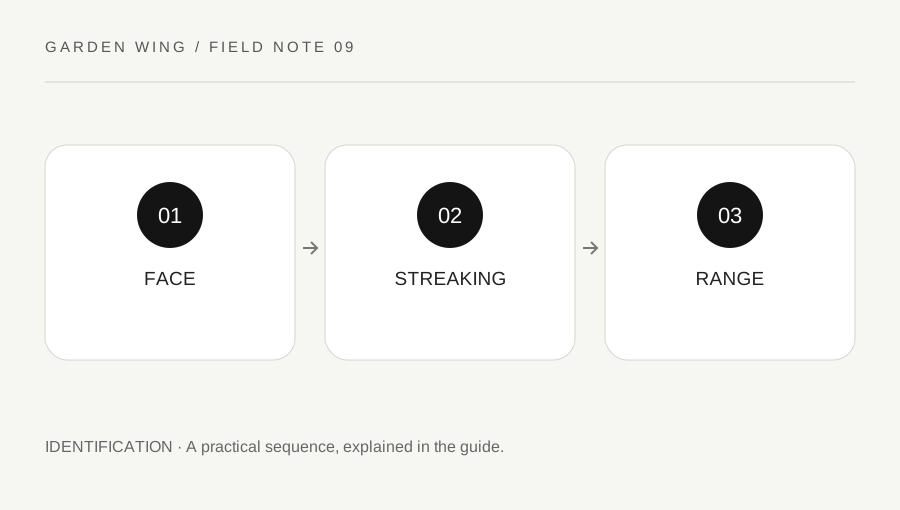
Small brown feeder birds deserve more than a quick family label. Compare streaking, face pattern, bill and regional possibilities, and avoid assuming that every individual matches an adult male photograph.
Read the complete guide ↗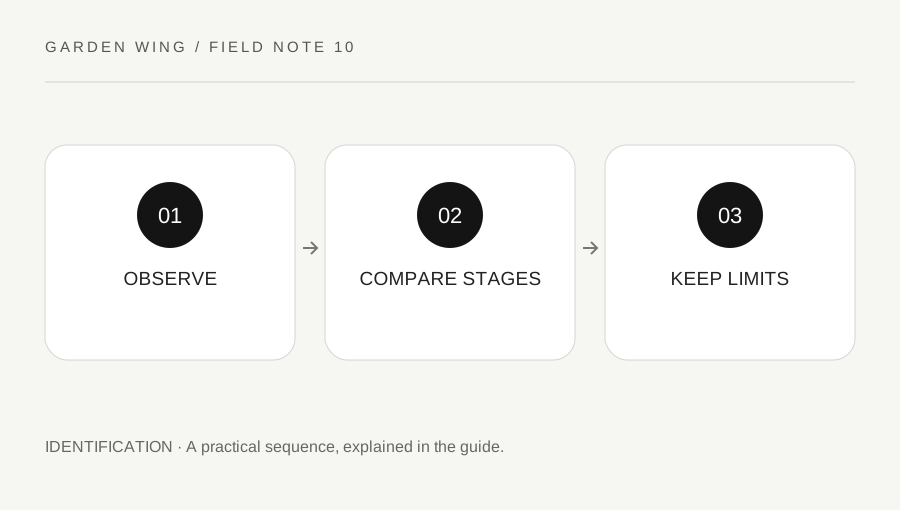
A bird may not resemble the familiar adult image. Note visible plumage and behavior without assigning an exact age from one feature, then use a reference that includes immature birds.
Read the complete guide ↗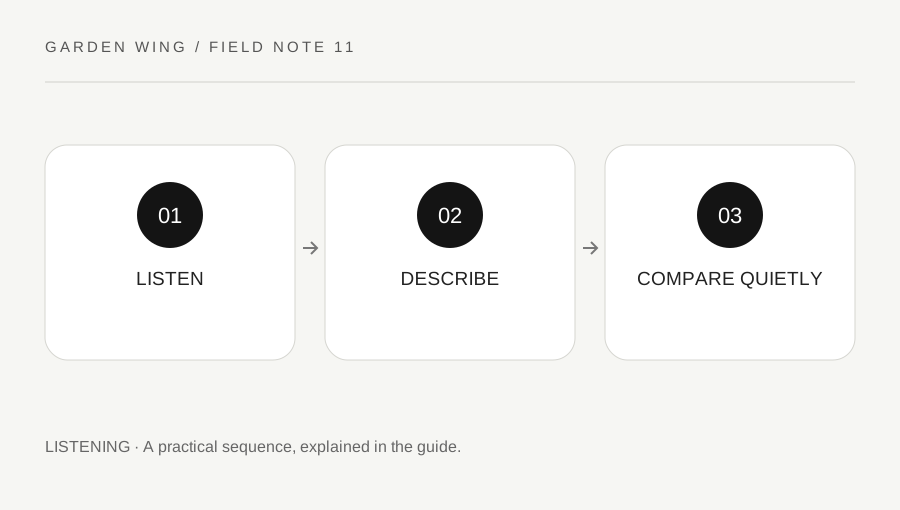
You can learn from an unidentified sound. Describe its rhythm, pitch movement and repetition, then compare a regional reference without broadcasting playback into the garden.
Read the complete guide ↗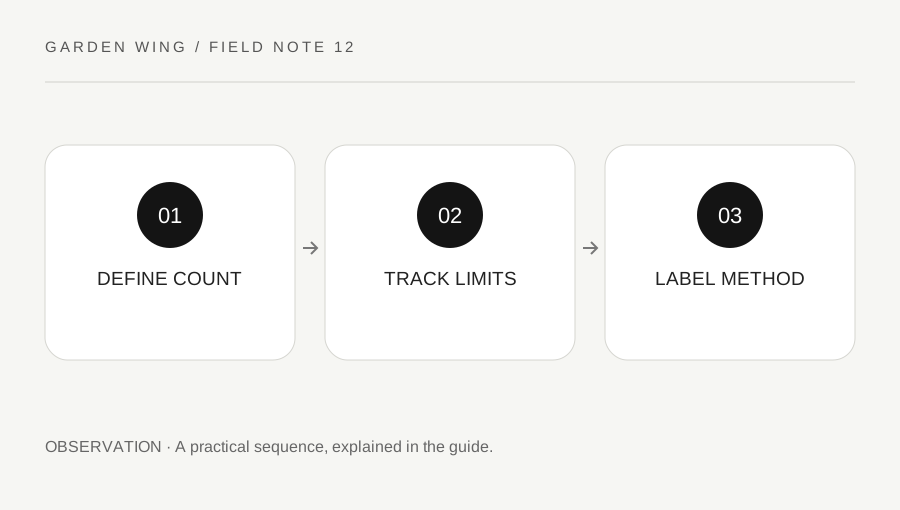
Visits, individuals and simultaneous counts are different measurements. Decide what you are recording before the first bird moves between the hedge and the feeder.
Read the complete guide ↗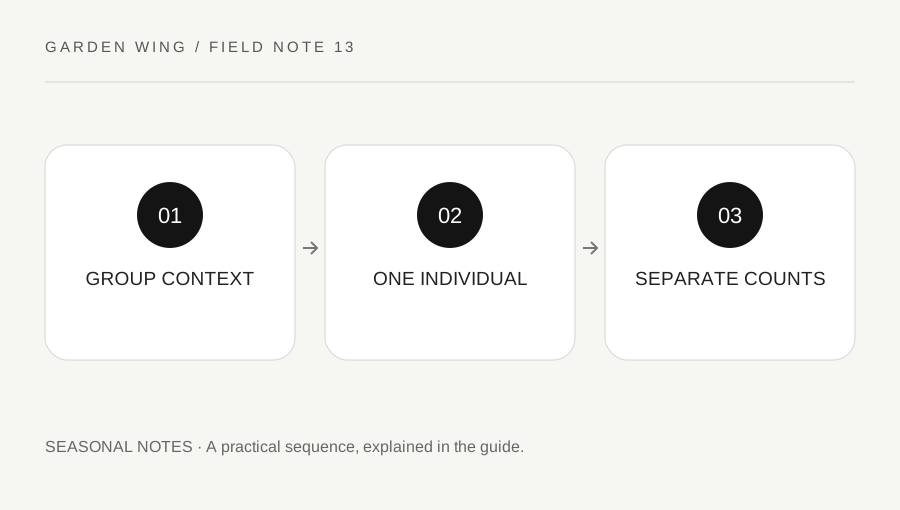
Several species may move through a garden together. Record the group context, then identify individual birds from their own field marks rather than assigning the first familiar name to the entire flock.
Read the complete guide ↗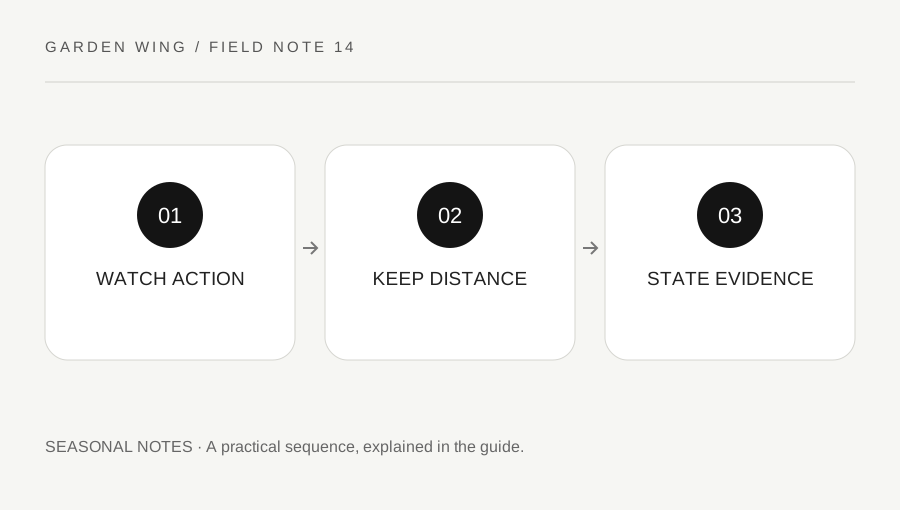
Carrying material, repeated singing and food-carrying can be interesting observations. Describe the action from a distance without turning it into an instruction to locate or inspect a nest.
Read the complete guide ↗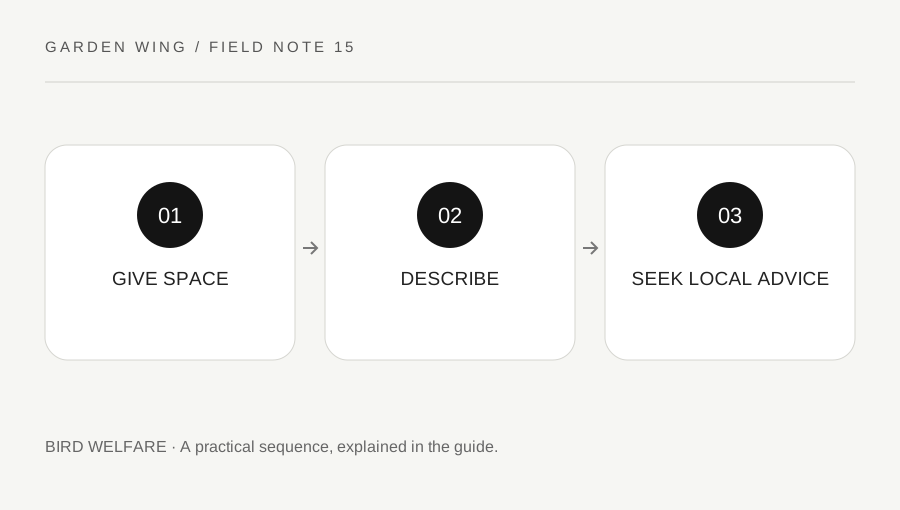
A young bird outside a visible nest can prompt concern. Keep people and pets away, avoid assuming abandonment, and seek local wildlife guidance when the situation may require help.
Read the complete guide ↗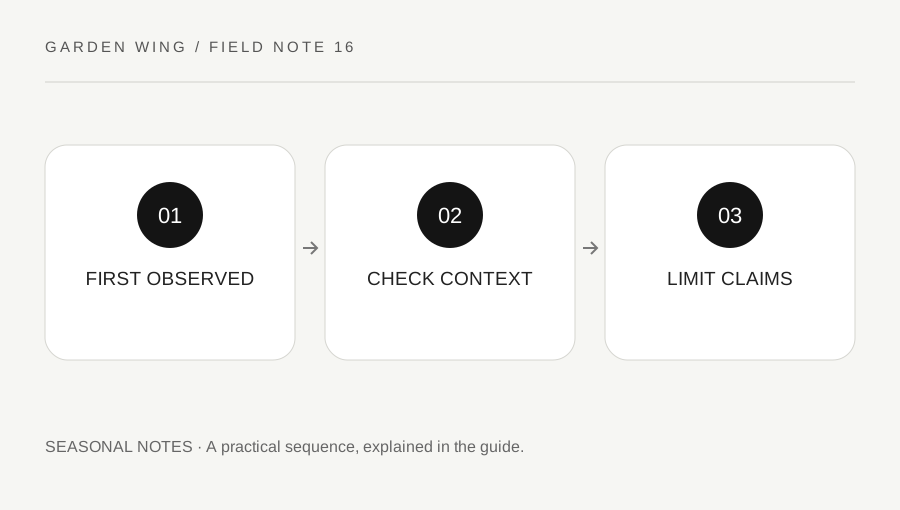
A bird newly noticed in autumn may be passing through, moving locally or becoming easier to detect. Keep the sighting clear without inventing an origin or migration journey.
Read the complete guide ↗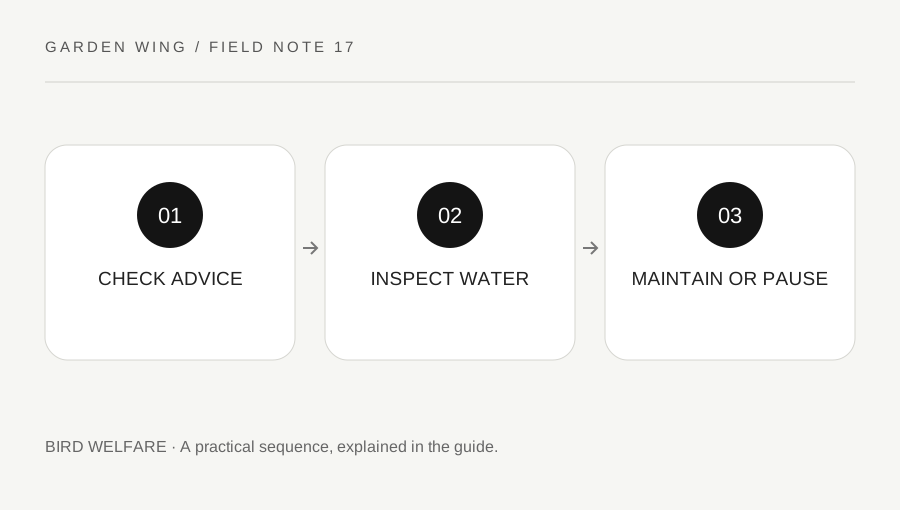
Water provision brings a maintenance responsibility. Decide whether you can inspect and clean a bird bath consistently, and check current local guidance before choosing a routine.
Read the complete guide ↗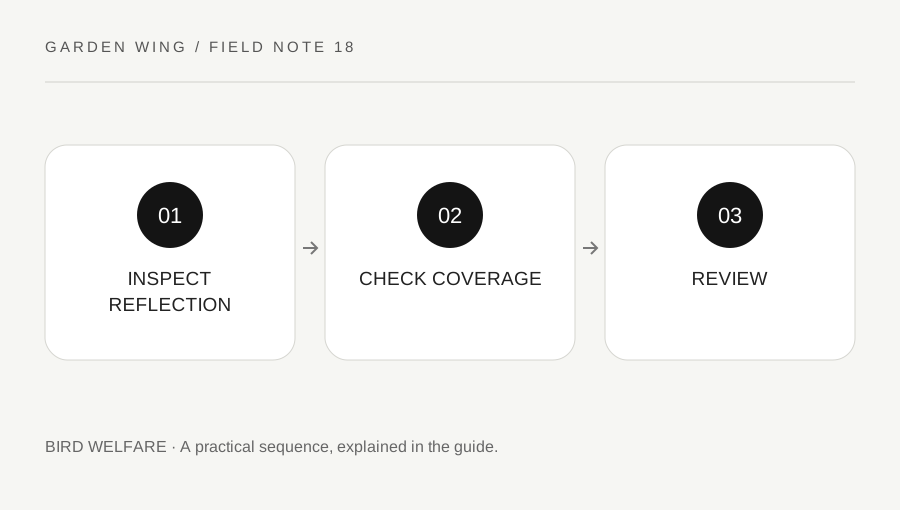
Glass can reflect habitat or appear to offer a clear flight path. Record the conditions at the actual window and consult a proven prevention source rather than assuming that one visible ornament solves the problem.
Read the complete guide ↗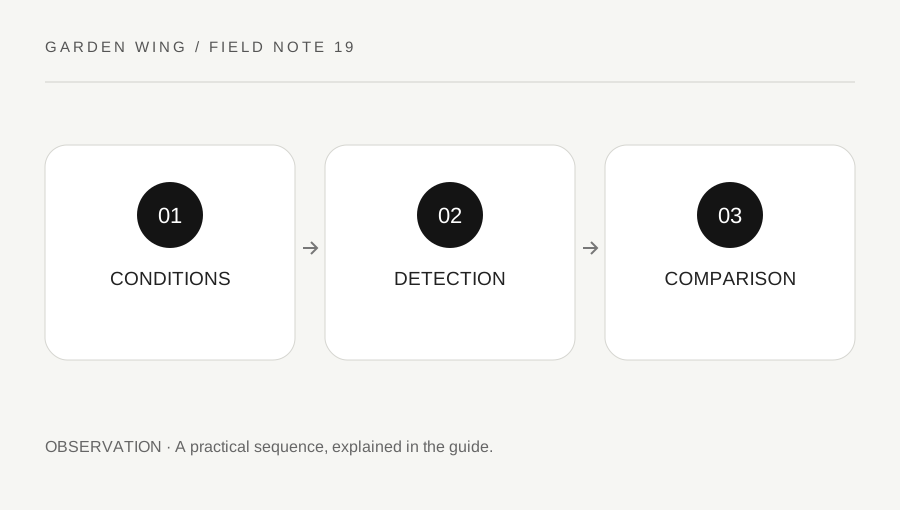
Rain, wind, glare and foliage can change what you detect. Record those conditions as part of the observation method rather than treating every count difference as a change in the number of birds.
Read the complete guide ↗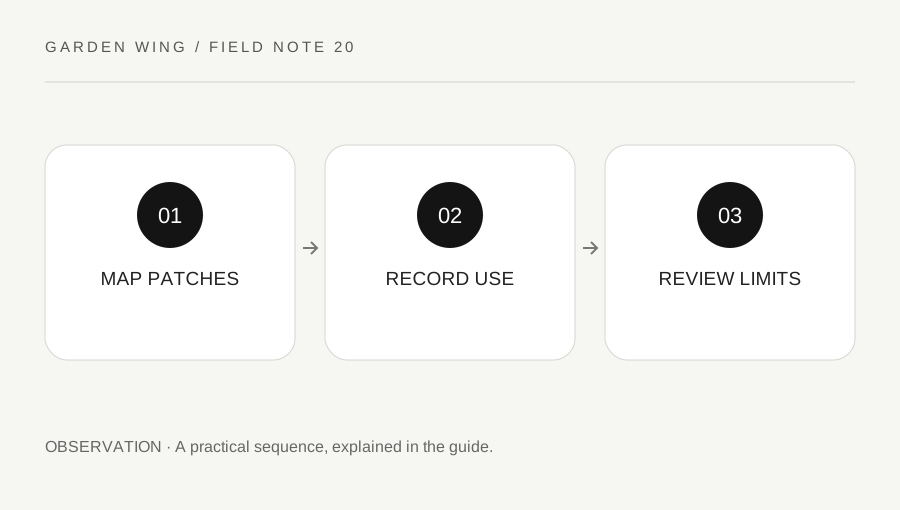
A simple patch map can connect observations to cover, open ground and perches. Record use before changing the space, and avoid interpreting a quiet patch as ecologically worthless.
Read the complete guide ↗Explore the worked examples, follow the reasoning and use the checklist at your own pace. Assumptions and boundaries accompany each tool. Our editorial approach ↗