Weather Notes: Compare Bird Watches Without Confusing Visibility and Abundance
Rain, wind, glare and foliage can change what you detect. Record those conditions as part of the observation method rather than treating every count difference as a change in the number of birds.
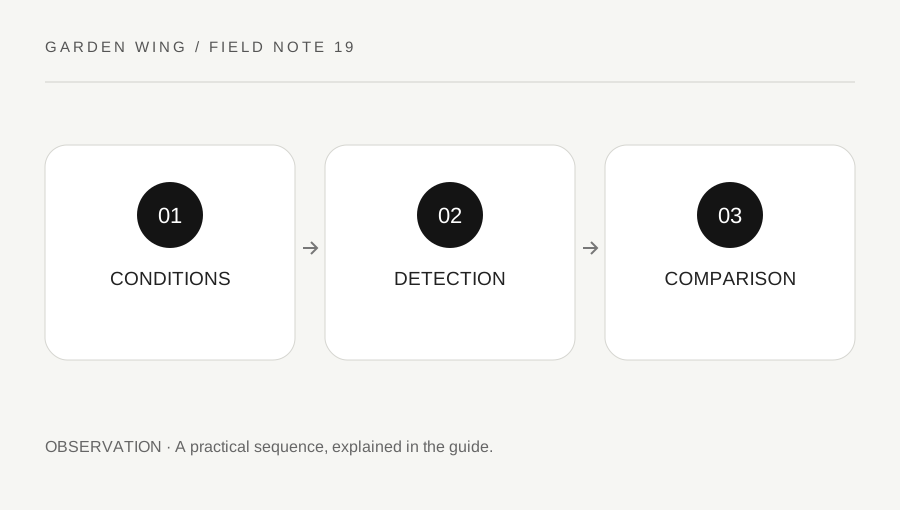
Original explanatory diagram. Numerical examples in this guide illustrate the reasoning; they are not a claim of hands-on testing.
Describe the conditions at your viewing position
A general weather forecast does not fully describe a garden watch. Note whether rain obscured the window, wind moved the foliage or low sun placed the birds in silhouette. Include the conditions that affected your actual view rather than copying a regional temperature as the only context.
Use ordinary categories consistently: light rain, strong glare, leaves moving continuously or view partly blocked. Exact wind speed is unnecessary unless you measured it appropriately. The purpose is making the observation limits understandable, not giving a scientific weather report from an impression.
Stop when conditions make the position unsafe or uncomfortable. A missed session can be recorded as not watched. It should not become a zero-bird count merely because a planned observation could not be completed.
Separate activity from detectability
Fewer birds seen in rain could reflect changes in activity, visibility, location or observation effort. The garden notebook alone may not separate those causes. Write “two birds observed in a rain-obscured ten-minute watch” rather than “rain reduced the population to two.”
Sound detection can also change. Wind and traffic may mask calls, while a quiet period makes the same sound easier to notice. A heard-only record should retain those conditions and any identification uncertainty. Do not compare it directly with a clear visual count as though both were identical measurements.
If you alter the viewing position to avoid glare, record the new visible area. A better view may explain an increase in detections without any change in the underlying number of birds. Method changes are part of the data, not inconvenient details to omit.
Design a fairer personal comparison
Choose sessions with similar duration, approximate time of day and viewing patch when practical. You cannot control every condition, but you can avoid comparing a casual thirty-second glance with a careful twenty-minute watch and attributing the entire difference to weather.
For a worked comparison, imagine two ten-minute watches from the same window: one clear, one with leaves and rain blocking half the hedge. The observed species totals differ. The supported note is that detections differed under different visibility, not that the species absent from the second list had left the area.
Keep zero observations distinct from no watch. If you watched the full period and saw no birds, record that with conditions. If you stopped after one minute, record the actual duration rather than leaving the original planned duration in the log.
Summarize the pattern as a question
After several sessions, ask whether a particular condition repeatedly limits a field mark or part of the patch. You might find that afternoon glare makes head patterns hard to see, suggesting a different comfortable watch time. This improves observation without requiring claims about bird behavior you cannot verify.
If you are interested in broader weather effects, consult a formal monitoring project with defined methods and suitable data. A small personal notebook can motivate that interest, but it does not replace a controlled comparison or establish causation.
Finish each review with a sentence separating the observation from the possible explanation: “fewer birds detected; rain and reduced visibility may have contributed.” That wording preserves the result while admitting what remains unknown. Careful limitations make your seasonal record easier to interpret when a later clear session produces a very different count.
For a practical visibility check, choose one fixed branch landmark. Note whether it was fully visible at the start and end of each session. That small repeatable reference helps describe changing obstruction without pretending that you measured every part of the garden equally.
A practical checklist
Tick items for your own use. This checklist is saved only in this browser.
Questions that come up
Does a low count in bad weather prove birds left?
No. Visibility, activity and effort can all affect detection. A garden watch usually cannot isolate those causes.
Should a canceled watch count as zero?
No. Mark it as not watched. Zero observed during a completed session is a different record.
Do I need precise weather instruments?
Not for a private learning log. Consistent descriptive conditions can be useful, provided they are not presented as measured values.
References & scope
Background references checked on 18 October 2026. The examples and practice exercises are original editorial explanations, not copied procedures or professional advice.
- Cornell Lab: All About Birds identification guide
- Cornell Lab: bird feeder cleaning
- RSPB: bird identification guide
- RSPB: current garden bird health guidance
- RSPB: current feeding advice
- Cornell Lab: American Robin
- RSPB: Robin
- RSPB: Blackbird
- American Birding Association: Code of Birding Ethics
- RSPB: bird-bath guidance
- Cornell Lab: preventing bird-window collisions
- BTO: identification resources
- RSPB: Starling
- Cornell Lab: finding a baby bird
- RSPB: injured birds and local help