Bird Feeder Hygiene: Make a Regional, Maintainable Plan
A feeder concentrates birds in one place. Before supplying food, check current regional guidance and decide whether you can keep the equipment and surrounding area clean, dry and manageable.
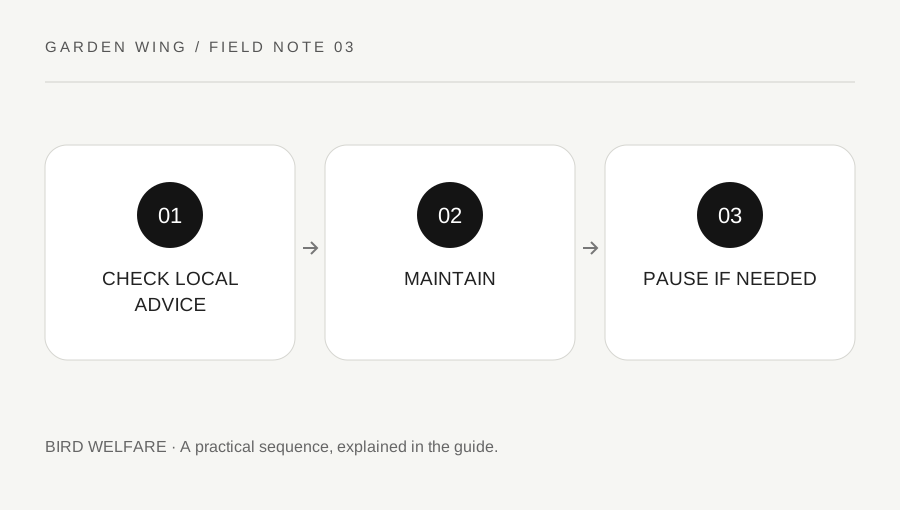
Original explanatory diagram. Numerical examples in this guide illustrate the reasoning; they are not a claim of hands-on testing.
Check guidance for your region and season
Start with a current local wildlife authority rather than a remembered year-round feeding rule. Advice can change with disease evidence, season and local conditions. For UK gardens, read the linked RSPB feeding and garden-bird health pages before choosing food or equipment. Its 2026 advice includes seasonal restrictions on seed and peanut feeding; use the live page for the applicable dates and permitted options.
For a US garden, begin with Cornell's feeder-cleaning guidance and any state wildlife notices relevant to your area. Keeping domestic poultry can introduce additional concerns that an ordinary songbird article does not resolve. Write down which authority you checked and the date. A regional rule should not be assumed to apply unchanged across the Atlantic or to every type of bird.
Choose a routine you can actually maintain
Inspect the feeder design before filling it. Can you separate its parts, reach the internal surfaces, rinse them thoroughly and dry them fully? If trapped food cannot be removed or a cracked surface holds debris, replacing the equipment or stopping its use may be more practical than adding another cleaning product.
Use a dedicated cleaning area and equipment appropriate to the task. Keep bird-feeder tools separate from food-preparation utensils. Follow the manufacturer's directions and the wildlife source's method for the material involved, including dilution, contact time, rinsing and drying where specified. Do not improvise chemical combinations. A calendar reminder can prompt inspection, but visibly wet, moldy or contaminated food needs attention before a scheduled date arrives.
Include the space beneath the feeder
Look below and around the feeding point. Accumulated husks, droppings and uneaten food can remain after the feeder itself looks clean. Observe whether rain runs through the food or whether an awkward catch tray is holding damp material. The useful question is whether the whole setup can remain sanitary, not whether the outside of a container looks tidy.
Offer only what the approved setup and current regional guidance support, and avoid overfilling merely to reduce your workload. Check food storage for moisture and damage as well. If you cannot maintain a feeding station during a period away, make a deliberate plan based on the local guidance rather than leaving a large supply in equipment that will go unchecked.
Recognize when to pause
A bird that appears unusually weak, struggles to swallow or remains persistently fluffed and inactive warrants caution, but those signs do not identify a disease. Stop using the affected feeding setup and consult current local wildlife advice. Follow its instructions about cleaning, reporting and the length of any feeding break. Do not treat a generic web description as a diagnosis.
Keep people and pets away from sick or dead wildlife and do not handle it without appropriate local instructions. Note what you observed, when and where, without approaching the bird for a better look. For UK disease concerns, the RSPB health page links the reporting pathway. In the US, check your state wildlife agency's reporting process. A note in a private garden log is not a submitted wildlife-health report.
Make the decision visible in a simple log
Create four headings: guidance checked, equipment condition, ground condition and action. An illustrative entry might read “local advice reviewed; damp material found in inaccessible corner; feeding paused; equipment removed for cleaning and assessment.” This records a decision and its reason rather than suggesting a universal interval that every household should follow.
Review whether providing food remains the right choice for this garden. Watching existing vegetation and natural bird activity is always a valid way to enjoy birds. If you restart, follow the current regional conditions and begin with equipment you can inspect consistently. A useful feeding plan includes permission to stop when disease concerns, poor drainage, unsuitable equipment or limited maintenance time make the setup difficult to manage responsibly.
A practical checklist
Tick items for your own use. This checklist is saved only in this browser.
Questions that come up
Can this page give one cleaning interval for every feeder?
No. Regional advice, equipment, bird activity, weather and visible contamination all matter. Follow the linked current guidance and inspect between planned cleanings.
Do I need to diagnose a sick bird before pausing?
No. Keep your observations descriptive and consult the local wildlife authority. Avoid handling birds or attempting treatment based on a website.
Can I use the same feeding rule in the UK and US?
Do not assume so. Sources may recommend different seasonal foods, equipment and disease precautions. Check the authority for the garden in question.
References & scope
Background references checked on 18 October 2026. The examples and practice exercises are original editorial explanations, not copied procedures or professional advice.
- Cornell Lab: All About Birds identification guide
- Cornell Lab: bird feeder cleaning
- RSPB: bird identification guide
- RSPB: current garden bird health guidance
- RSPB: current feeding advice
- Cornell Lab: American Robin
- RSPB: Robin
- RSPB: Blackbird
- American Birding Association: Code of Birding Ethics
- RSPB: bird-bath guidance
- Cornell Lab: preventing bird-window collisions
- BTO: identification resources
- RSPB: Starling
- Cornell Lab: finding a baby bird
- RSPB: injured birds and local help