A Bird Bath You Can Maintain: Water, Inspection and Regional Advice
Water provision brings a maintenance responsibility. Decide whether you can inspect and clean a bird bath consistently, and check current local guidance before choosing a routine.
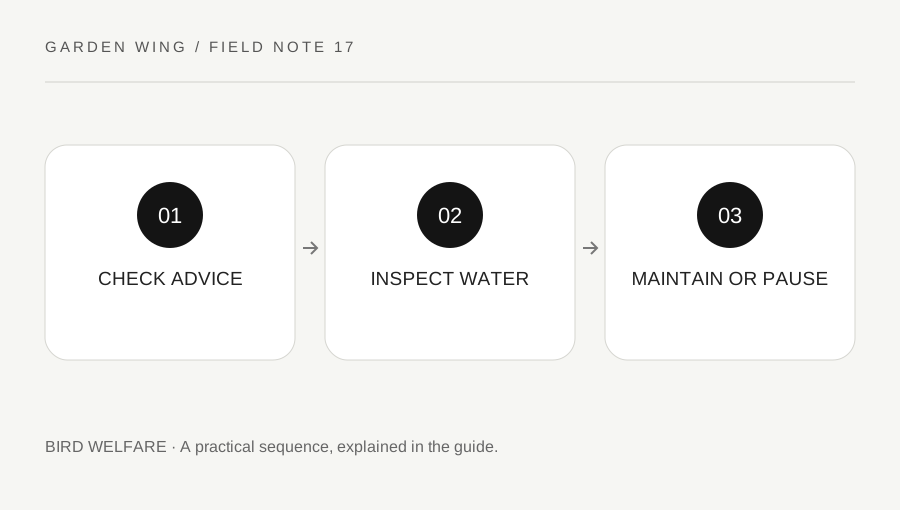
Original explanatory diagram. Numerical examples in this guide illustrate the reasoning; they are not a claim of hands-on testing.
Start with the maintenance decision
Before adding a bath, ask whether someone can refresh the water, inspect the surface and carry out the cleaning recommended by a local wildlife source. If the answer is no during a busy period or time away, pausing provision can be a sensible choice. Birdwatching does not require equipment you cannot maintain.
For UK gardens, the linked RSPB bird-bath guidance calls for daily fresh water and regular cleaning, including its specified weekly disinfection routine. Read the current source for the full method and any local qualifications. In other regions, use the applicable wildlife authority rather than assuming every detail transfers unchanged.
Record the advice source and review date. Water provision, feeding equipment and disease notices can involve different recommendations. Do not copy a feeder-cleaning schedule into a bath plan without checking that it fits the equipment and regional guidance.
Inspect the whole setup
Look for visible debris, droppings, algae, cracks and areas that are difficult to reach. A bath that appears clear from the window may still need attention when inspected closely. Include the supporting structure and nearby standing-water areas in the inspection rather than focusing only on the visible center.
Follow a reputable source's instructions for depth, footing and location, taking account of the species and local conditions. This article does not prescribe a universal design. Keep pets away from birds using the area, and avoid placing the setup where routine maintenance requires disturbing a nest or blocking a busy path.
An illustrative decision note could read “surface cracked and difficult to clean; provision paused while equipment assessed.” A maintenance plan should allow removal or replacement, not assume that any container remains suitable indefinitely once installed.
Use the specified cleaning method safely
Use dedicated equipment and follow the wildlife source's and product manufacturer's directions for cleaning, dilution where applicable, contact time, rinsing and drying. Do not combine chemicals or improvise a stronger mixture because the surface looks particularly dirty. Keep cleaning materials separate from kitchen utensils and food preparation.
Dispose of dirty water and waste according to local guidance, and prevent pets or children from accessing the cleaning area. A practical routine includes preparing the equipment before dismantling the bath, so the task can be completed fully rather than leaving partially treated parts outside.
If illness is suspected among visiting birds, consult current local wildlife-health advice about whether to pause water provision and how to clean or report the situation. Do not diagnose a disease from a photograph or continue using the bath merely because a scheduled cleaning day has not arrived.
Record maintenance separately from bird activity
Keep two small records: what birds were observed and what maintenance was done. “Bath refreshed” is not evidence that a particular species used it, and “birds visited” does not prove the setup was hygienic. Separating the records makes both easier to review.
For a worked example, note “water replaced, surface inspected, next scheduled clean recorded” in the maintenance column, and “one unidentified small bird drank briefly during ten-minute watch” in the observation column. The second note retains identification and effort limits without judging the entire day's activity.
Review whether the routine remains manageable as weather and household schedules change. Do not add salts, detergents or household remedies to water based on an unverified online tip. Return to the appropriate wildlife guidance for seasonal conditions. A simple setup consistently maintained is a more useful observation resource than a complicated arrangement whose upkeep is uncertain.
A practical checklist
Tick items for your own use. This checklist is saved only in this browser.
Questions that come up
Does clear-looking water prove a bath is clean?
No. Visual appearance alone does not replace the recommended refresh and cleaning routine. Inspect the entire surface and setup.
Can I copy a cleaning mixture from a forum?
Use a reputable wildlife source and the product instructions instead. Materials and concentrations differ, and chemicals should not be improvised or combined.
Is a bird bath required for a birdwatching garden?
No. You can observe existing activity without providing water. Choose only a setup you can maintain under appropriate local guidance.
References & scope
Background references checked on 18 October 2026. The examples and practice exercises are original editorial explanations, not copied procedures or professional advice.
- Cornell Lab: All About Birds identification guide
- Cornell Lab: bird feeder cleaning
- RSPB: bird identification guide
- RSPB: current garden bird health guidance
- RSPB: current feeding advice
- Cornell Lab: American Robin
- RSPB: Robin
- RSPB: Blackbird
- American Birding Association: Code of Birding Ethics
- RSPB: bird-bath guidance
- Cornell Lab: preventing bird-window collisions
- BTO: identification resources
- RSPB: Starling
- Cornell Lab: finding a baby bird
- RSPB: injured birds and local help